Attacks on Gulf smelters shock aluminum market

Recent attacks on key Middle Eastern aluminum facilities have caused a sharp rise in global aluminum prices, highlighting vulnerabilities in the U.S. supply chain heavily reliant on Middle Eastern imports amid ongoing geopolitical tensions
April 7, 2026
2 min read

Key Highlights

  • Iran's attack on major aluminum smelters in the Middle East has caused aluminum futures to jump by up to 6%, reaching four-year highs.
  • The U.S. relies heavily on Middle Eastern aluminum imports, with GCC nations accounting for over 20% of unwrought aluminum imports in 2025.
  • Alba, the world's largest single-site smelter, and Emirates Global Aluminium have reported significant damage, impacting global supply and prices.
  • Industry leaders emphasize the importance of adaptation and close monitoring to mitigate the impact of regional conflicts on U.S. manufacturing supply chains.
  • Localized damage at key facilities can trigger a global supply squeeze, underscoring the fragility of the aluminum market amid geopolitical tensions.

As if already soaring global aluminum prices, plus U.S. Sec. 232 tariffs, weren’t challenging enough to U.S. trailer and truck equipment manufacturers, the Iran war hit particularly close to home March 28 when Iran targeted major aluminum smelters and critical exporters in the Middle East.

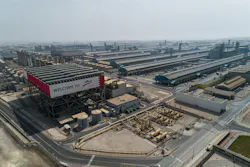
Aluminium Bahrain (Alba), the world’s largest single-site smelter, confirmed the attack on its facility. Simultaneously, Emirates Global Aluminium, the region's top producer, reported "significant damage" at its Abu Dhabi facility.

The market response was immediate and aggressive. On March 30, aluminum futures jumped as much as 6% to the highest level in four years. While prices have yet to escalate further, aluminum prices in early April are up more than 40% in the past year.

Listen up: ITC sides with domestic trailer producers

This volatility is compounded by a month of pre-existing tension. Earlier in March, Alba had already initiated a controlled shutdown of 19% of its capacity to manage raw material inventories amid shipping disruptions in the Strait of Hormuz.

US supply chain vulnerabilities

The conflict poses a significant threat to U.S. industrial stability due to a heavy reliance on Middle Eastern metal.

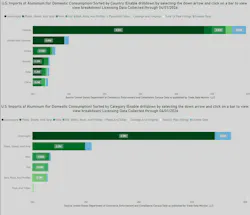
In 2025, Gulf Cooperation Council (GCC) nations accounted for 21% of unwrought aluminum imports and 13% of wrought imports to the United States.

“The apparent targeted attacks on aluminum assets in the Gulf are troubling, and we’re relieved to hear there were no fatalities at these facilities. Aluminum firms are working around the clock to mitigate impacts and adjust operations and supply routes as needed.” Aluminum Association president and CEO Charles Johnson said. “The association is in close contact with our member companies as this situation evolves and will continue to track developments for market impacts.

“This industry has a proven track record over more than a century of adapting to regional and global challenges while continuing to meet the evolving needs of our customers.”

Data from the U.S. Aluminum Import Monitor highlights that the UAE and Bahrain are consistently among the top exporters of aluminum products to the U.S. market. Because a single facility like Alba produces roughly 2.3% of global primary aluminum, even localized damage can trigger a global supply squeeze, according to sources.

See the May print issue of TBB for a complete and up-to-date analysis.

This piece was created with the help of generative AI tools and edited by our content team for clarity and accuracy.

About the Author

Kevin Jones

Editor

Kevin has served as editor-in-chief of Trailer/Body Builders magazine since 2017—just the third editor in the magazine’s 60 years. He is also editorial director for Endeavor Business Media’s Commercial Vehicle group, which includes FleetOwner, Bulk Transporter, Refrigerated Transporter, American Trucker, and Fleet Maintenance magazines and websites.

Working from Beaufort, S.C., Kevin has covered trucking and manufacturing for nearly 20 years. His writing and commentary about the trucking industry and, previously, business and government, has been recognized with numerous state, regional, and national journalism awards.

Sign up for our eNewsletters
Get the latest news and updates