Wabash settles EEOC pregnancy discrimination lawsuit
Key Highlights
- The EEOC said Wabash National’s Cadiz, Kentucky, facility denied a pregnant assembler’s request to transfer to work that did not require lying on her stomach.
- The employee was placed on unpaid leave and later resigned at nearly eight months pregnant, according to the lawsuit.
- Wabash National will pay $50,000 and comply with a two-year consent decree.
- The decree requires nationwide policy updates, employee notices and specialized training for supervisors, managers and HR personnel.
- The company must report to the EEOC on pregnancy-related accommodation requests at its Cadiz facility.
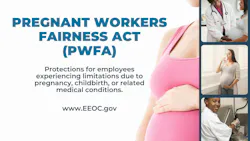
Wabash National Corp. will pay $50,000 and provide other relief to settle a pregnancy discrimination lawsuit filed by the U.S. Equal Employment Opportunity Commission (EEOC), the agency reported Nov. 13.
The EEOC’s suit charged that Wabash National’s facility in Cadiz, Kentucky denied a pregnant employee’s accommodation request to transfer to a role that did not require lying on her stomach. Instead, the company forced the employee to take unpaid leave and ultimately gave her no choice but to return to her position as an assembler without modification.
Wabash National’s decision to deny the accommodation request caused the employee to fear for the health of her pregnancy, the EEOC said, and she was forced to resign at nearly eight months pregnant in November 2023.
The company also unlawfully required the employee to provide medical documentation and failed to accommodate her even though it could have provided changes similar to those the company provides for non-pregnant workers with similar limitations, according to the suit.
“This resolution of the first federal lawsuit filed by the EEOC under the Pregnant Workers Fairness Act is an important milestone in strengthening protections for pregnant workers nationwide," said EEOC Chair Andrea R. Lucas. "This law was enacted to ensure that pregnant women can seek reasonable accommodations without fear of losing their jobs or jeopardizing their health, and this case illustrates exactly why those protections matter. Under my leadership, the EEOC is firmly committed to enforcing the PWFA and we will continue to take decisive action when employers fail to meet their obligations under this critical law.”
The alleged conduct violates the Pregnant Workers Fairness Act (PWFA), Title VII of the Civil Rights Act of 1964, as amended, and the Americans with Disabilities Act of 1990, as amended (ADA). The EEOC filed suit (EEOC v. Wabash National Corporation, Case No. 5:24-cv-00148-BJB) in the U.S. District Court for the Western District of Kentucky, Paducah Division, after first attempting to reach a pre-litigation settlement through its administrative conciliation process.
During the two-year term of the consent decree resolving the suit, Wabash National will also update its policies, notify employees about the PWFA’s protections, and provide specialized training to supervisors, managers, and human resources personnel. These obligations apply to all Wabash National’s facilities nationwide. Additionally, Wabash National will submit compliance reports to the EEOC detailing its responses to requests for accommodation by employees with pregnancy-related limitations at the Cadiz, Kentucky facility where the employee worked.
“Employers must understand and comply with the Pregnant Workers Fairness Act,” said Kenneth Bird, regional attorney for EEOC’s Indianapolis District. “Temporary reassignment to a position that would allow the employee to continue working through pregnancy is the kind of accommodation that is reasonable under the PWFA, absent undue hardship.”