Isuzu, Toyota to launch light-duty fuel cell truck
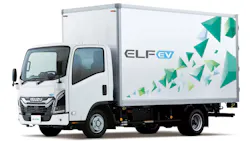
Isuzu Motors Limited and Toyota Motor Corporation have formed a strategic partnership to jointly develop a next-generation light-duty fuel cell (FC) electric truck, with mass production slated to begin in fiscal year 2027. This collaboration represents Japan’s first initiative to bring a mass-produced light-duty fuel cell vehicle (FCEV) to the commercial market, aiming to accelerate the transition toward carbon-neutral logistics and a hydrogen-based society, according to the joint statement.
The upcoming vehicle will be built upon the foundation of Isuzu’s "ELF EV," utilizing the company’s modular product development platform known as I-MACS. This platform will be integrated with Toyota’s advanced third-generation fuel cell system. By combining their respective technical expertise, the two manufacturers intend to enhance vehicle durability and service life, ensuring the reliability required for the high-utilization operating conditions typical of commercial vehicles.
The decision to focus on light-duty fuel cell trucks addresses a critical gap in the logistics sector. These vehicles are primarily used for daily deliveries to supermarkets and convenience stores, tasks that often require long operating hours, extended driving ranges, and the use of refrigeration units.
While battery electric vehicles (BEVs) are an important part of the green transition, they often face challenges such as long charging times. FCEVs, which utilize hydrogen as a high-energy-density fuel, offer significantly faster refueling times and longer ranges, making them a highly effective option for maintaining operational efficiency in demanding commercial environments. Like BEVs, FCEVs produce zero CO2 emissions during operation and function with minimal noise and vibration.
Cost-reduction goals
To overcome the high vehicle price point—a major barrier to widespread FCEV adoption—both companies are pursuing aggressive cost-reduction strategies, they reported. Isuzu is focusing on optimizing vehicle body structures and manufacturing processes, while Toyota is innovating its fuel cell design and production methods to improve affordability. This partnership builds on previous successful collaborations, including the "ERGA FCV" route bus and implementation projects through Commercial Japan Partnership Technologies Corporation (CJPT).
This project is a key component of Toyota’s "multi-pathway" approach to powertrains and its broader "Beyond Zero" vision, which seeks to provide diverse mobility solutions for a sustainable future.
By working alongside local governments and regional businesses, both Isuzu and Toyota aim to foster the infrastructure necessary to support the broader adoption of hydrogen mobility across Japan.